
Volhynia and the Volhynian Germans


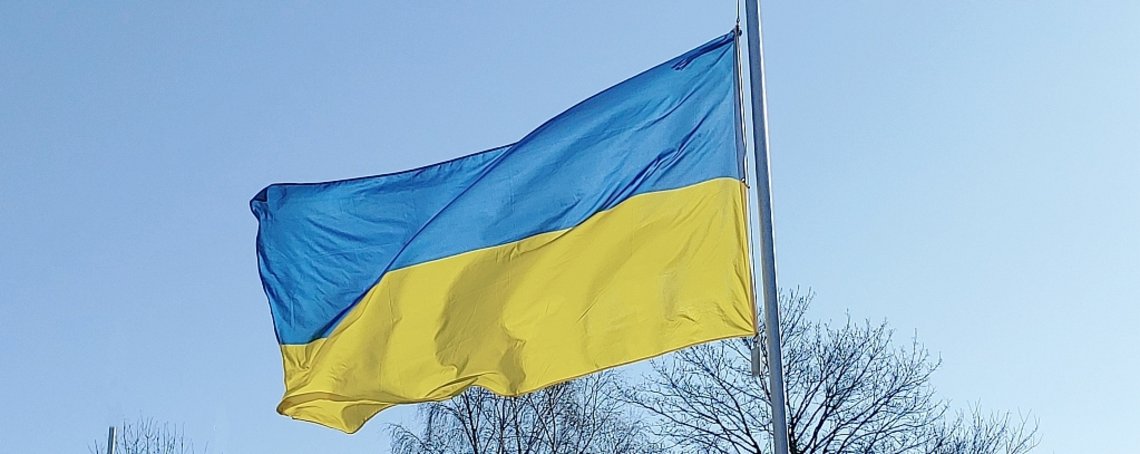
Volhynia is a historical region in the northwest of present-day Ukraine, located on the border with Belarus and Poland. Following the Third Partition of Poland in 1795, the region became a separate governorate and was fully incorporated into the Russian Empire. It covered an area roughly the size of Bavaria and was relatively sparsely populated. The northern part of the region was characterized by swamps and forests. In the southern part, there was fertile soil suitable for agriculture.
German settlers had been migrating to Volhynia in increasing numbers since the late 18th century. However, the main wave of immigration did not begin until after the 1860s. After serfdom was abolished in the western Russian territories—including Volhynia—local landowners sought settlers who would either lease or purchase their land. They commissioned private agents to recruit farmers from other parts of the Russian Empire to cultivate their fields.
Due to political unrest in the Russian-occupied Polish territories, the recruitment of Germans from Central Poland was particularly successful, and thus the number of German settlers in Volhynia grew steadily. World War I then marked the first major turning point in the lives of the Volhynian Germans. A large number of them were deported to the interior of Russia and on to Siberia under tsarist decrees. The Volhynian Song of Fate also dates from this period.
Following the outbreak of the October Revolution in 1917, many of the deportees and refugees returned to Volhynia despite the armed conflict.

The region was eventually divided between Poland and the Soviet Union in 1921. Barely 20 years later, with the outbreak of the Second World War, the German presence in Volhynia came to a definitive end.