
On the history of the museum


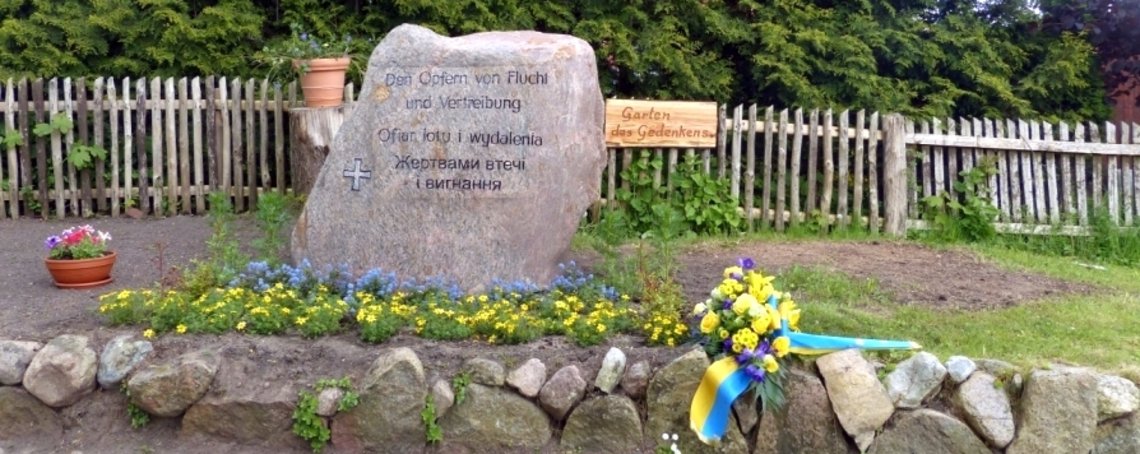
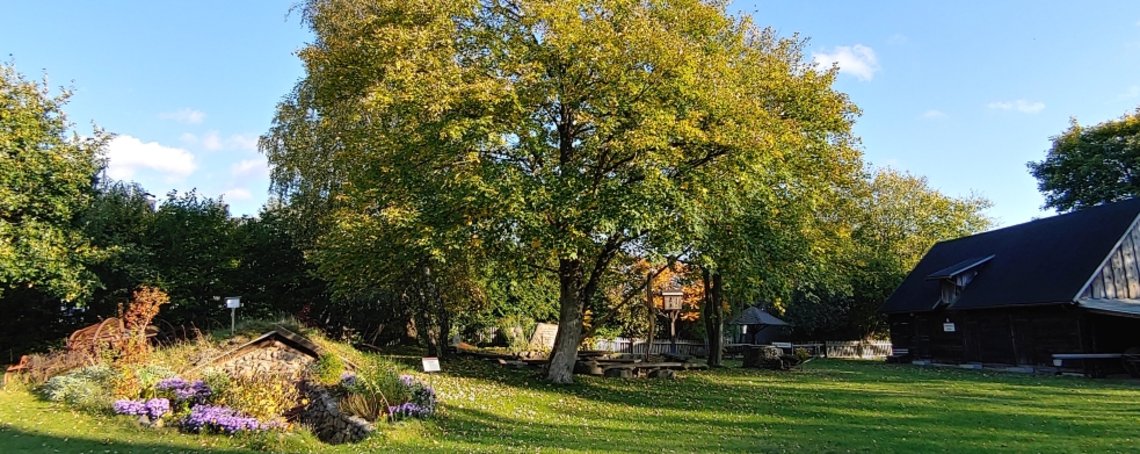
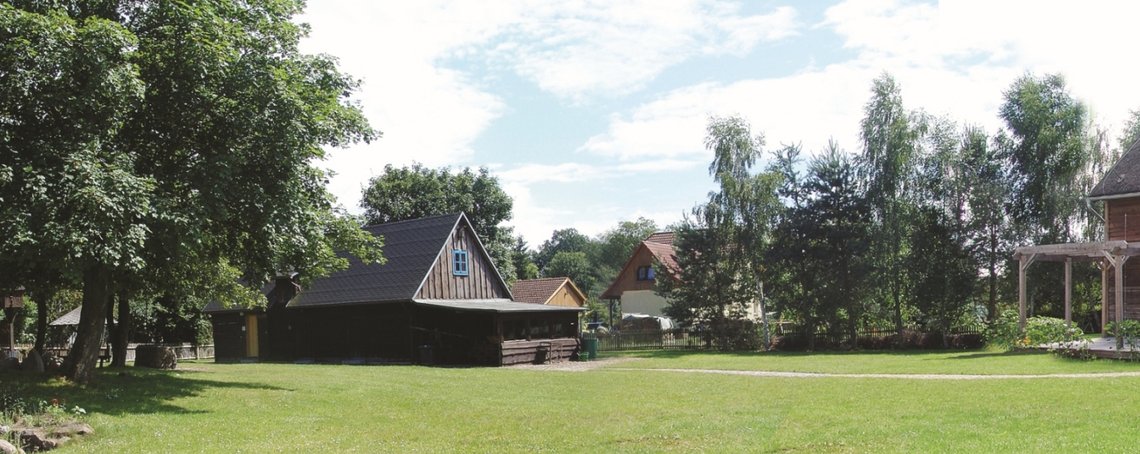
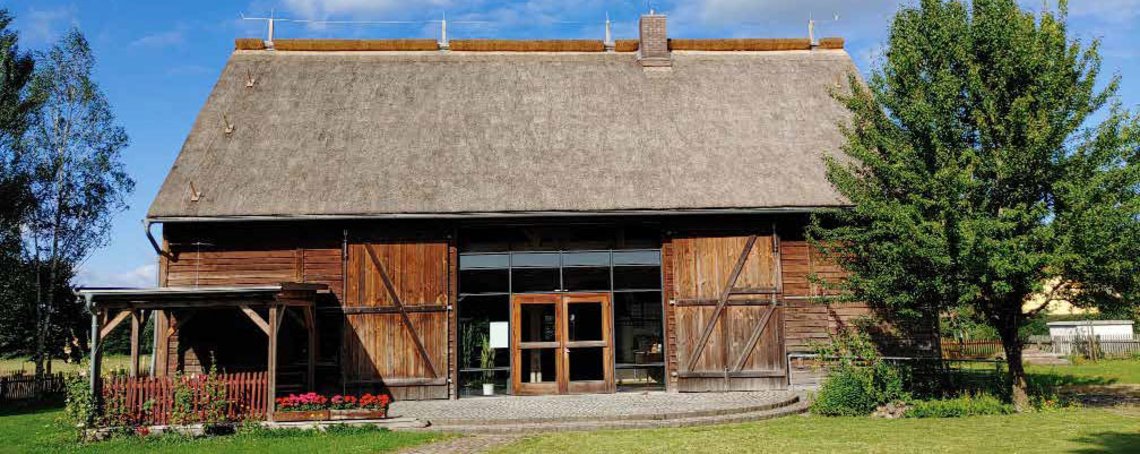
The museum is a former resettler's farmstead with a very special history. It offers insight into the working and living conditions of German refugees who dared to start anew in Linstow at the end of the war. Most of them originally came from Volhynia, a historical region in what is now northwestern Ukraine. Their ancestors had settled there as farmers and craftsmen beginning in the 1860s, following the abolition of serfdom by Tsar Alexander II.
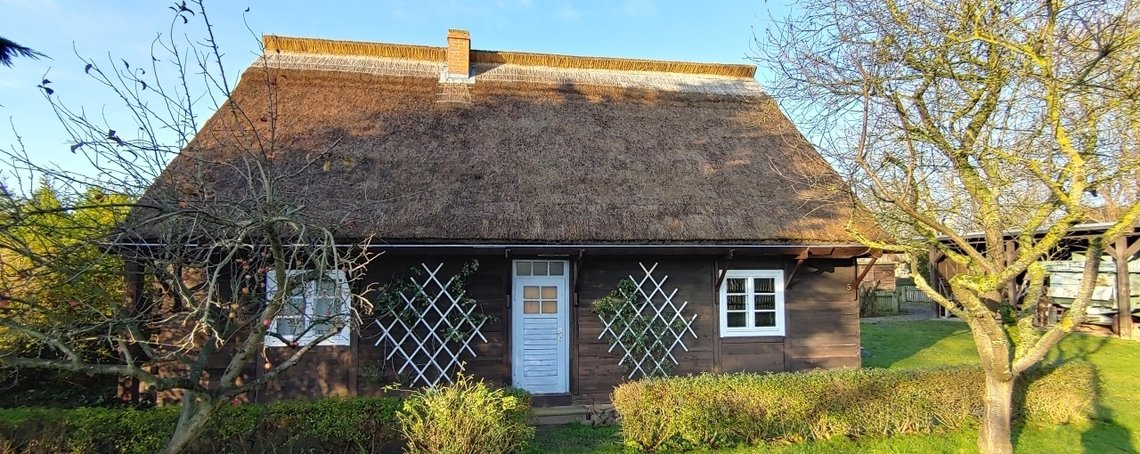
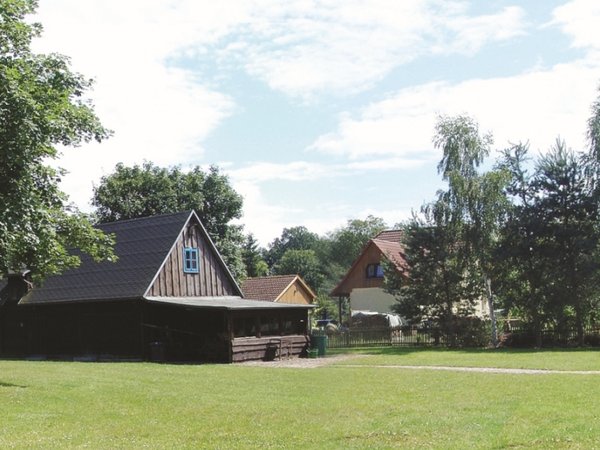
In 1990, the municipality began reconstructing the farmhouse, which had been slated for demolition, into an open-air museum. The museum opened on August 6, 1993. The museum is operated by the Linstow Local History Association.
Due to the Hitler-Stalin Pact, many German settlers were forced to leave their homes in Ukraine. After the German invasion of Poland in 1939, they were settled on farms from which the Polish owners had been expelled by the German occupiers. Just five years later, they were often forced to flee westward under chaotic circumstances as Soviet troops advanced.
For some families, Linstow in Mecklenburg was their final destination. As part of the 1945 land reform, a total of 73 refugee families—known as resettlers—were allocated approximately 10 hectares of land here to settle on. More than half of the families came from Volhynia. Like their ancestors, they built their wooden houses using traditional construction methods with wood and clay. They sourced the necessary building materials from the surrounding forests. They sawed logs into planks and boards and, using clay, constructed their wooden houses in the same way that people in their homeland had done for centuries.
Few technical tools were available, so a good eye for proportion was essential. The roof was thatched with straw and reeds. In terms of design, a farmhouse was laid out to provide space for people, livestock, and the harvest. The layout of the house consisted of a large kitchen, a living room, and a bedroom for everyone. The maid had a small room of her own. Adjacent to this was the stable, which housed two horses, two pigs, and a small rabbit hutch. The harvest supplies were stored in the large loft. The living area of the house was furnished very simply and practically, while the maid’s room contained only the bare essentials. It was the period following World War II, and people lived modestly and without pretensions.
The house was built in 1947 by Emma Altmann (from Neu-Saturzy) and her eldest sons. Many other houses were built following this model. Eyewitnesses—former Volhynian Germans—helped document the history of the resettlement farmstead and its inhabitants through the reconstruction of the farmhouse. They collected and selected household and work tools as well as furniture to present visitors with a museum interior that is as true to the original as possible.
The Volhynian Germans and their history were characterized by the largely peaceful coexistence of different nations and denominations, even under the most difficult social conditions. The local heritage association aims to preserve, document, and pass on this legacy to future generations in the newly established educational center.